
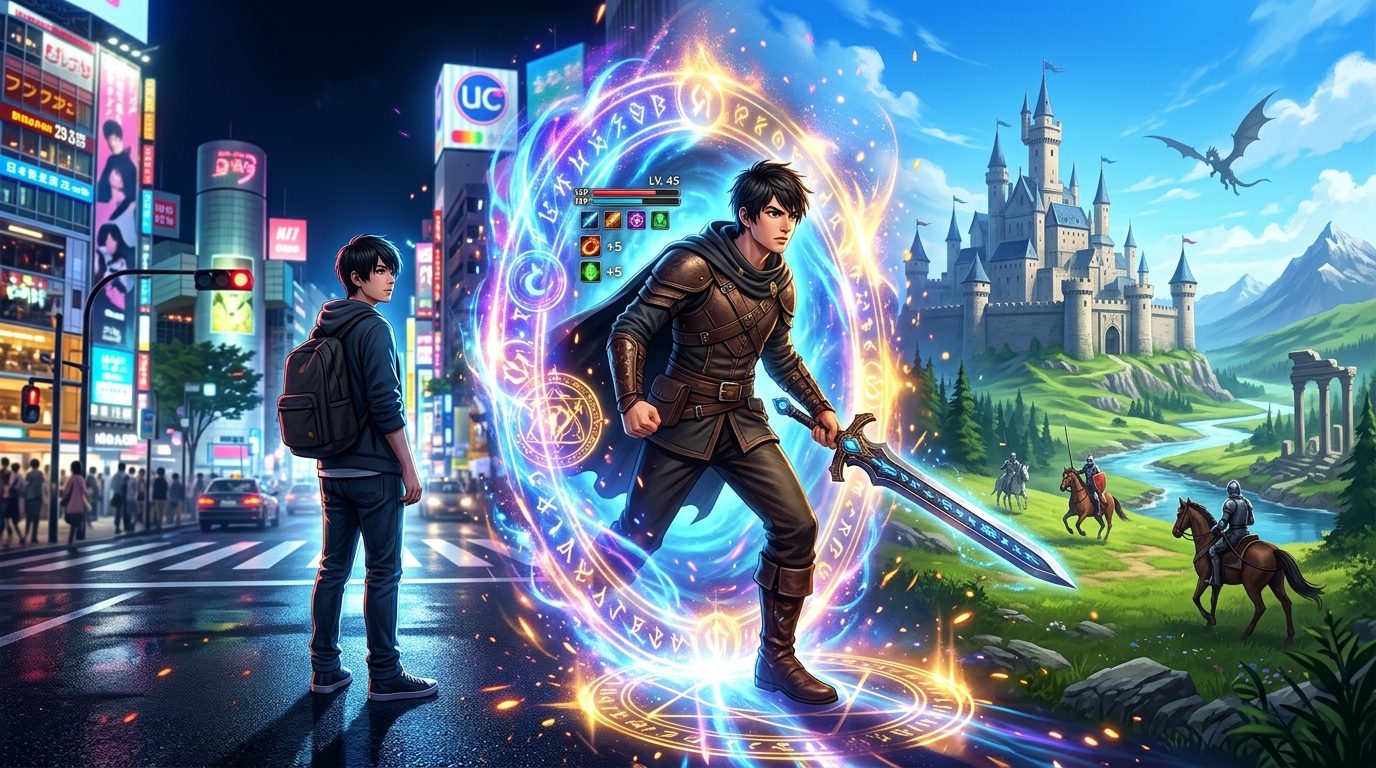
Isekai anime—a genre centered around protagonists who find themselves transported, reincarnated, or trapped in another world—has transformed from a niche storytelling style into a cornerstone of modern anime. In 2024, this trend accounts for roughly 15% of new TV anime, highlighting its massive influence on the industry. But what exactly fuels the popularity of isekai, and how has it reshaped anime storytelling?
What is Isekai Anime?
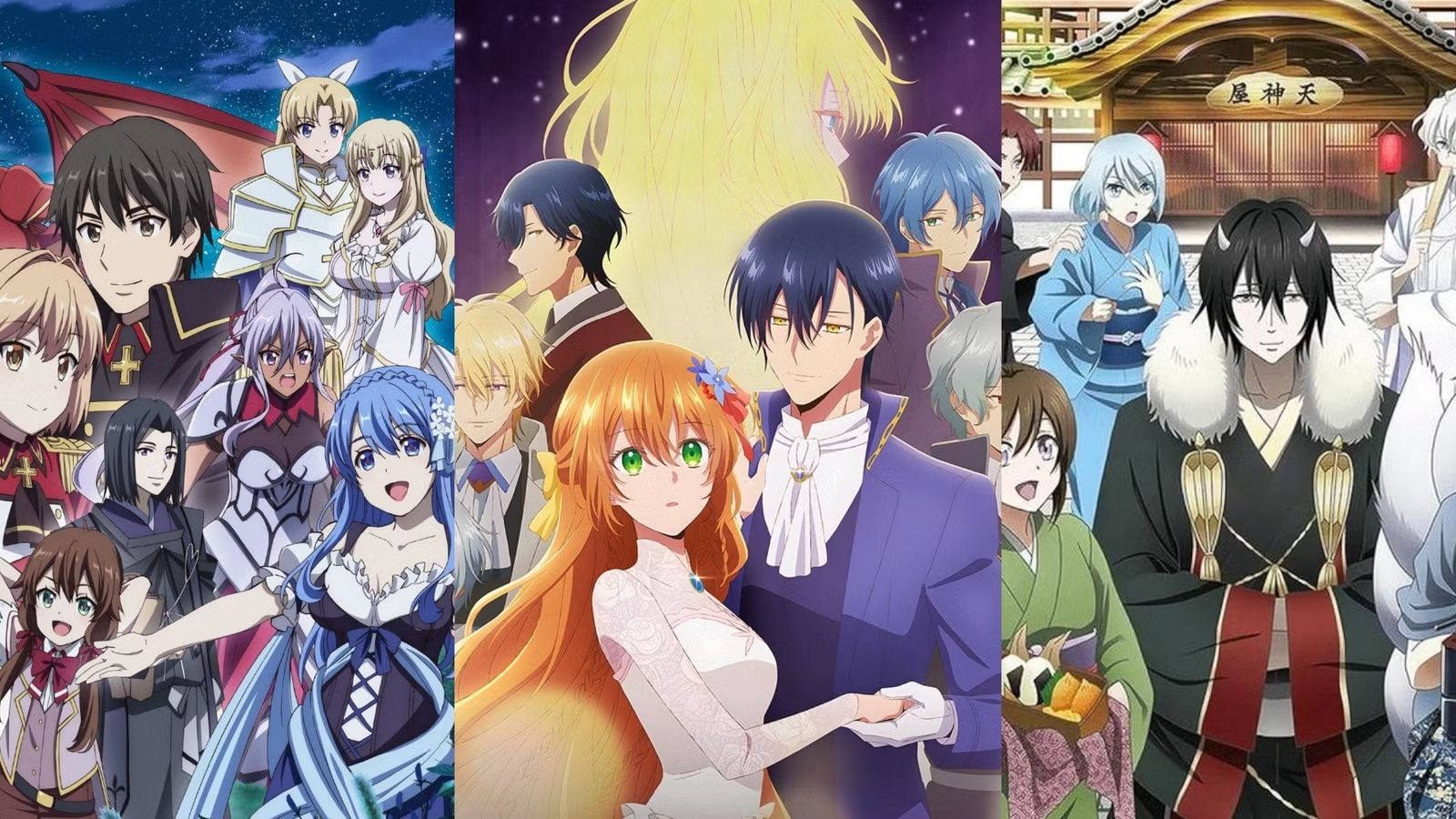
The term “isekai” (異世界) literally means “another world.” It commonly involves characters moving from the real world to fantastical realms where magic, monsters, and RPG-style rules dominate. These stories mainly fall into two subcategories:
- Transition Isekai: Protagonists physically transported to another world without dying (e.g., Sword Art Online).
- Reincarnation Isekai: Characters die and are reborn anew in a fantasy setting, often with memories or powers carried over (e.g., That Time I Got Reincarnated as a Slime).
Popular series like Sword Art Online, Re:Zero, and Mushoku Tensei have shaped the modern understanding of isekai, blending game-like systems with character-driven plots.
The Growth of the Genre
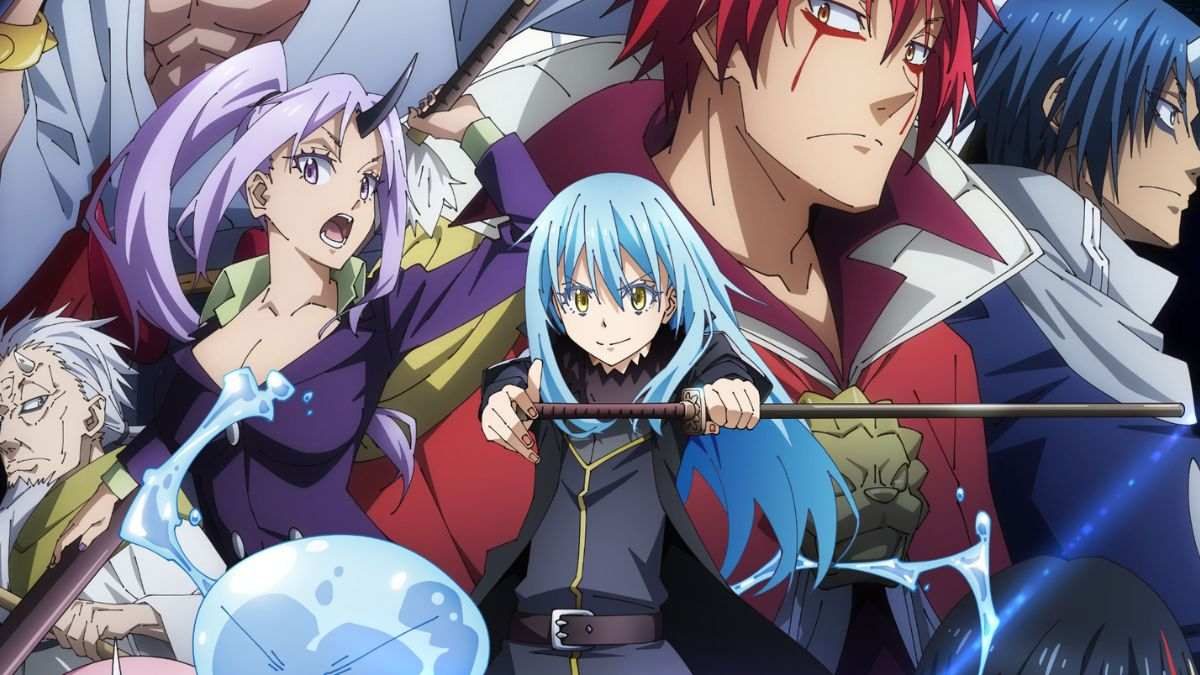
The isekai boom strongly accelerated in the early 2010s, largely fueled by Japanese web novel platforms such as Shōsetsuka ni Narō, which allowed amateur writers to publish serialized stories with fresh takes on isekai themes. This grassroots growth was supported by major anime adaptations that skyrocketed the genre into mainstream attention.
With increased production resources and streaming platforms hungry for bingeable content, isekai became both a creative and commercial powerhouse within anime studios and publishers.
Why Audiences Connect with Isekai
At its core, the isekai genre taps into several powerful psychological appeals:
- Escapism and Restart Fantasies: Viewers enjoy imagining leaving behind real-world complexity and hardship for a new life with clear rules and meaningful progress.
- Representation through Ordinary Protagonists: Many series feature socially marginalized or average characters—salarymen, NEETs, or students—who find new purpose and competence, making the stories relatable.
- Power Progression and Competence Fantasies: Watching characters level up, acquire new skills, and overcome challenges mirrors satisfying game dynamics, making these series addictive to watch.
These aspects allow isekai anime to resonate particularly with younger viewers coping with societal pressures and uncertainties in modern life.
Common Tropes in Isekai Anime
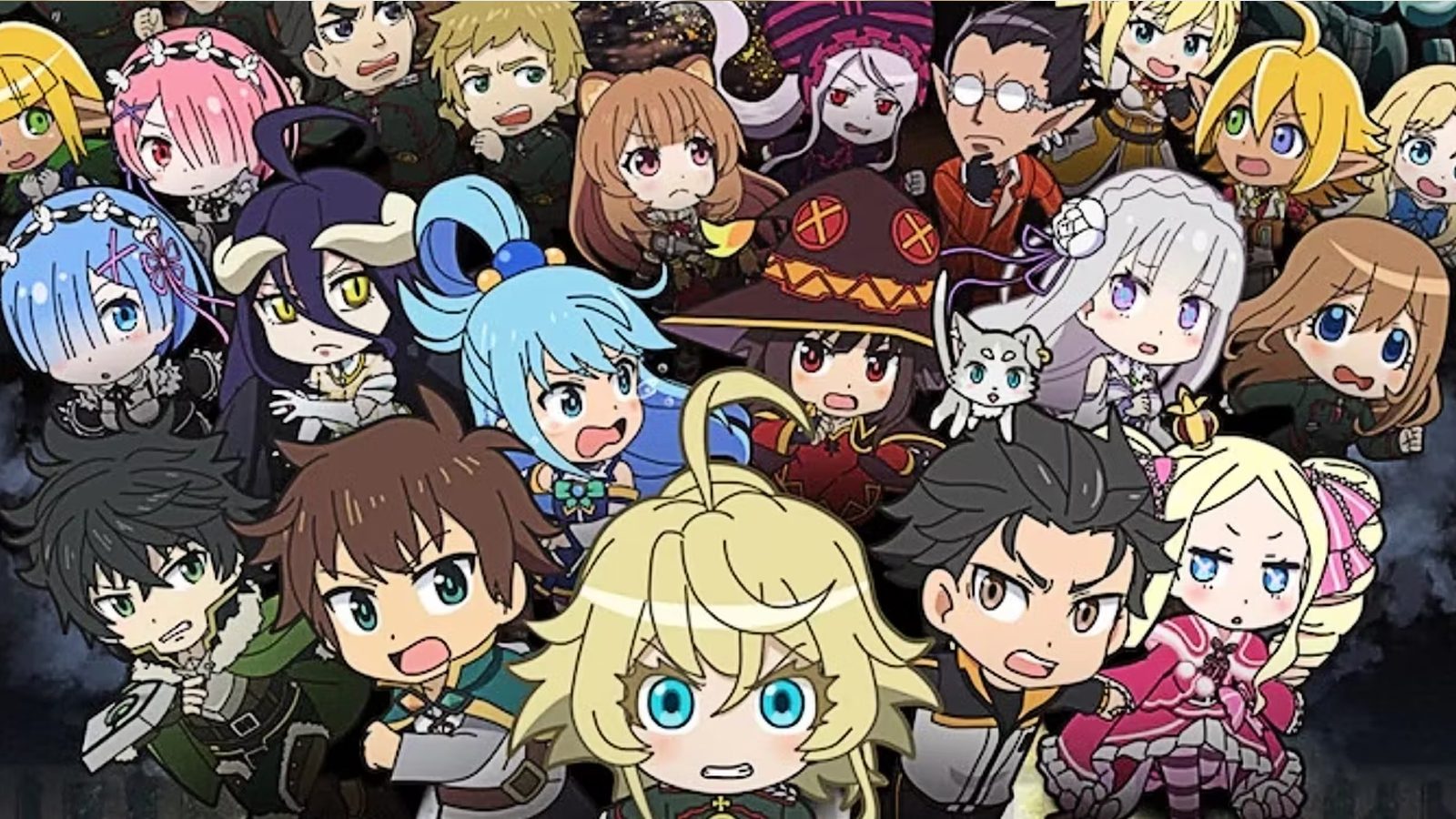
Despite wide variation, isekai stories share recurring elements:
- Being trapped or reincarnated in a world vastly different from their origin.
- Settings with fantasy kingdoms, magic, monsters, guilds, and RPG mechanics like skill trees and stats.
- Protagonists often becoming overpowered, leading parties, or even rising to leadership and royalty.
- Some series even include self-aware commentary or comedic deconstruction of isekai clichés to keep the genre fresh.
These tropes have become signature to the genre’s identity, helping fans instantly connect with new stories.
Industry Impact and Signs of Saturation
Isekai is no longer a niche but a major pillar of the anime industry, representing a significant portion of adaptations, merchandizing, and streaming catalogues. It has reshaped publishing strategies, with many light novels and manga adopting isekai themes to capitalize on demand.
However, the explosive growth raises concerns about formula fatigue. Some experts note a plateau in new isekai projects’ popularity growth, signaling potential oversaturation but also an entrenched sustained audience.
Why Isekai Anime Still Matters
Beyond commercial success, the isekai genre reflects broader social themes, such as anxieties about isolation, the desire for reinvention, and critiques of modern life pressures. It offers a flexible platform where stories range from comedic escapades to deep existential explorations.
Far from a passing fad, isekai anime has cemented itself as a lasting force, continually evolving and inspiring new creators.
Interested in anime culture and how it intersects with lifestyle? Check out our anime blog for more insights and reviews.
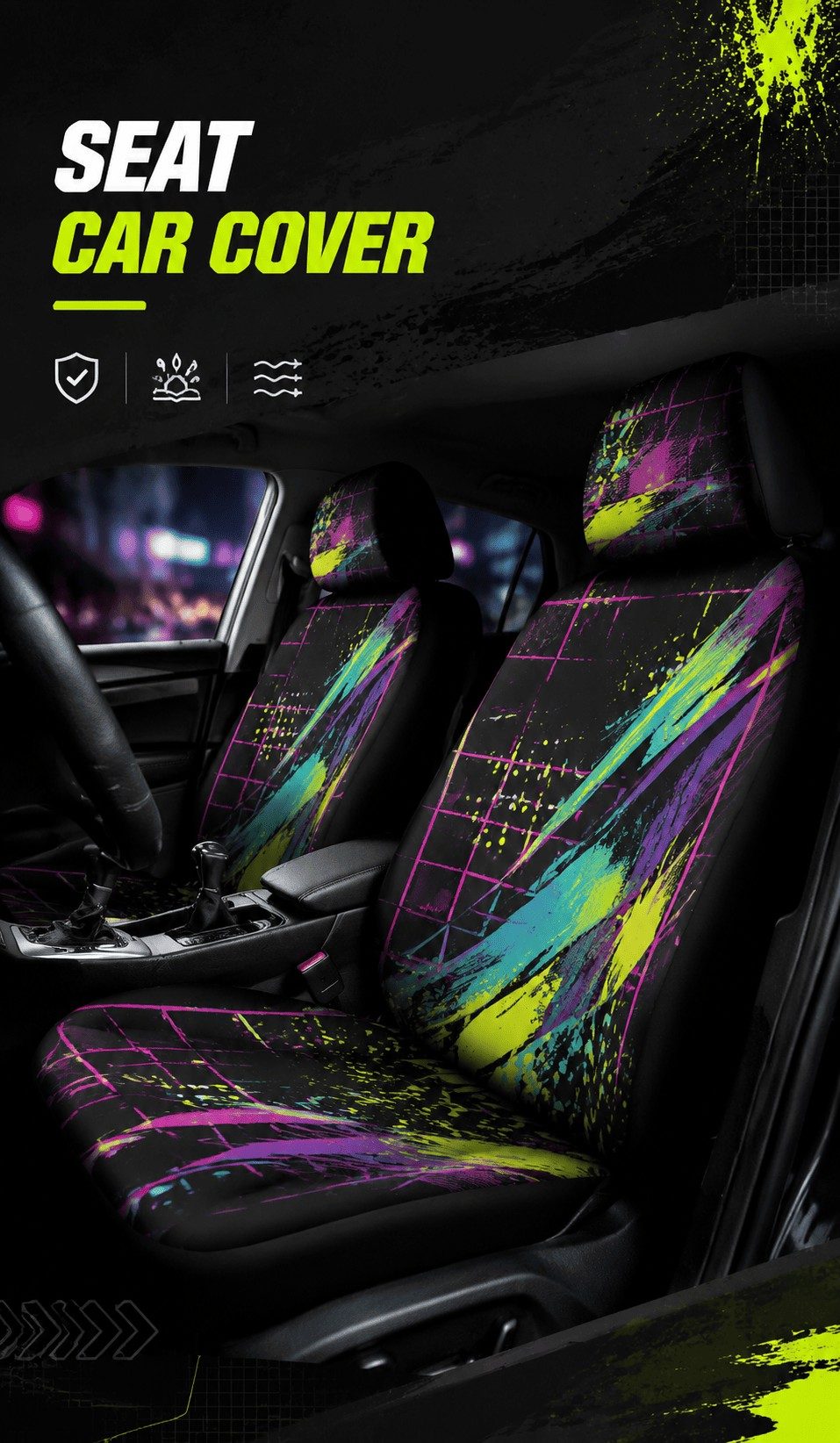
For fans wanting to bring their favorite anime worlds into their own vehicles, explore our guide on anime car seat covers.
Want to personalize your ride further? See our curated list of Akatsuki car accessories perfect for Naruto fans.
As the isekai trend continues to thrive both on screen and in fan culture, it’s clear that these stories transport more than just their characters—they move entire communities and industries.
About EzCustomCar
EzCustomCar was created for drivers who want their vehicle to feel like their own. From daily commutes to weekend road trips, we design accessories that add personality, comfort, and meaning to the space people return to every day.
Ready to customize your car with your favorite anime themes? Contact us to learn more.