

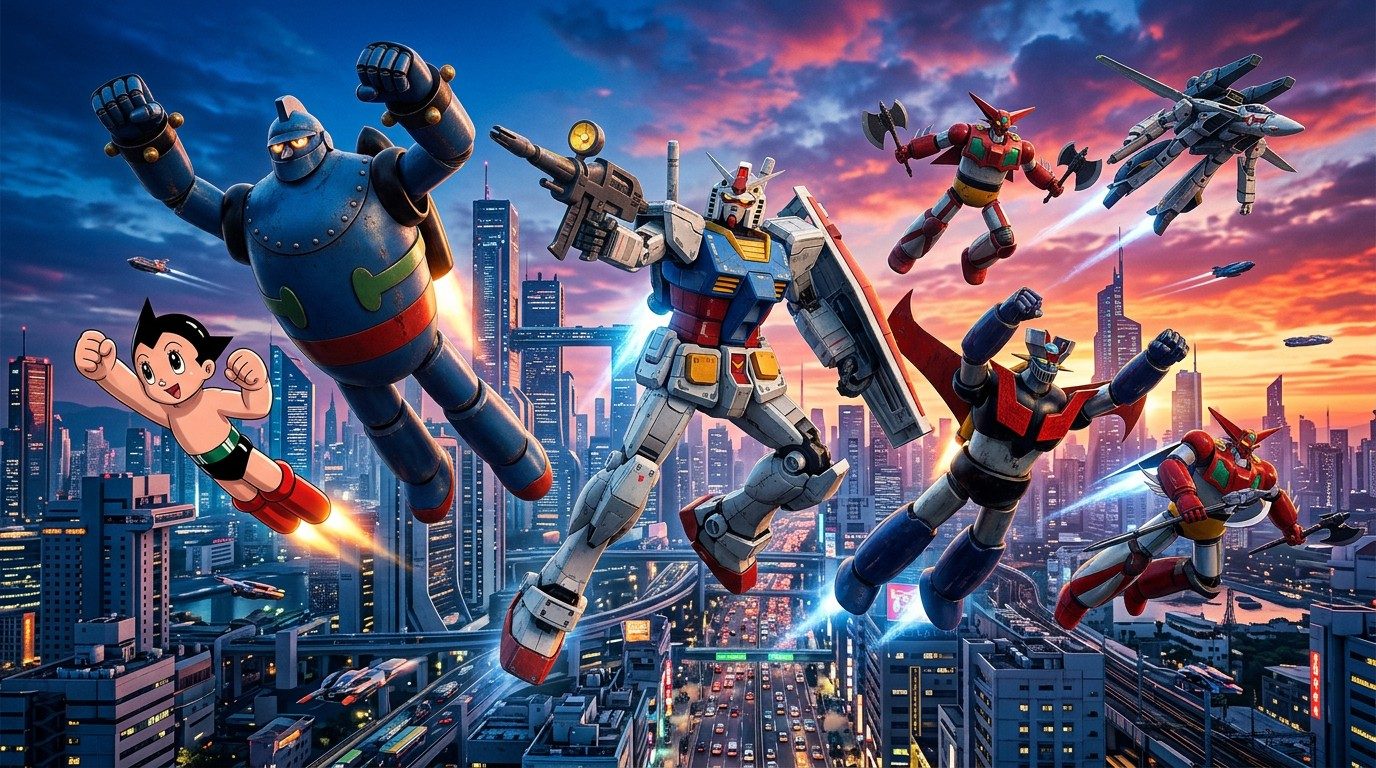
Mecha anime, a genre defined by towering robots and epic storytelling, has evolved dramatically since its inception. Tracing the lineage of these giant robots reveals not only advancements in animation but also shifts in narrative complexity and cultural significance. This article explores the rich history of mecha anime, highlighting landmark series that have shaped the genre’s trajectory and left a lasting impact on pop culture.
1. Early Foundations: Robot Stories Before Gundam
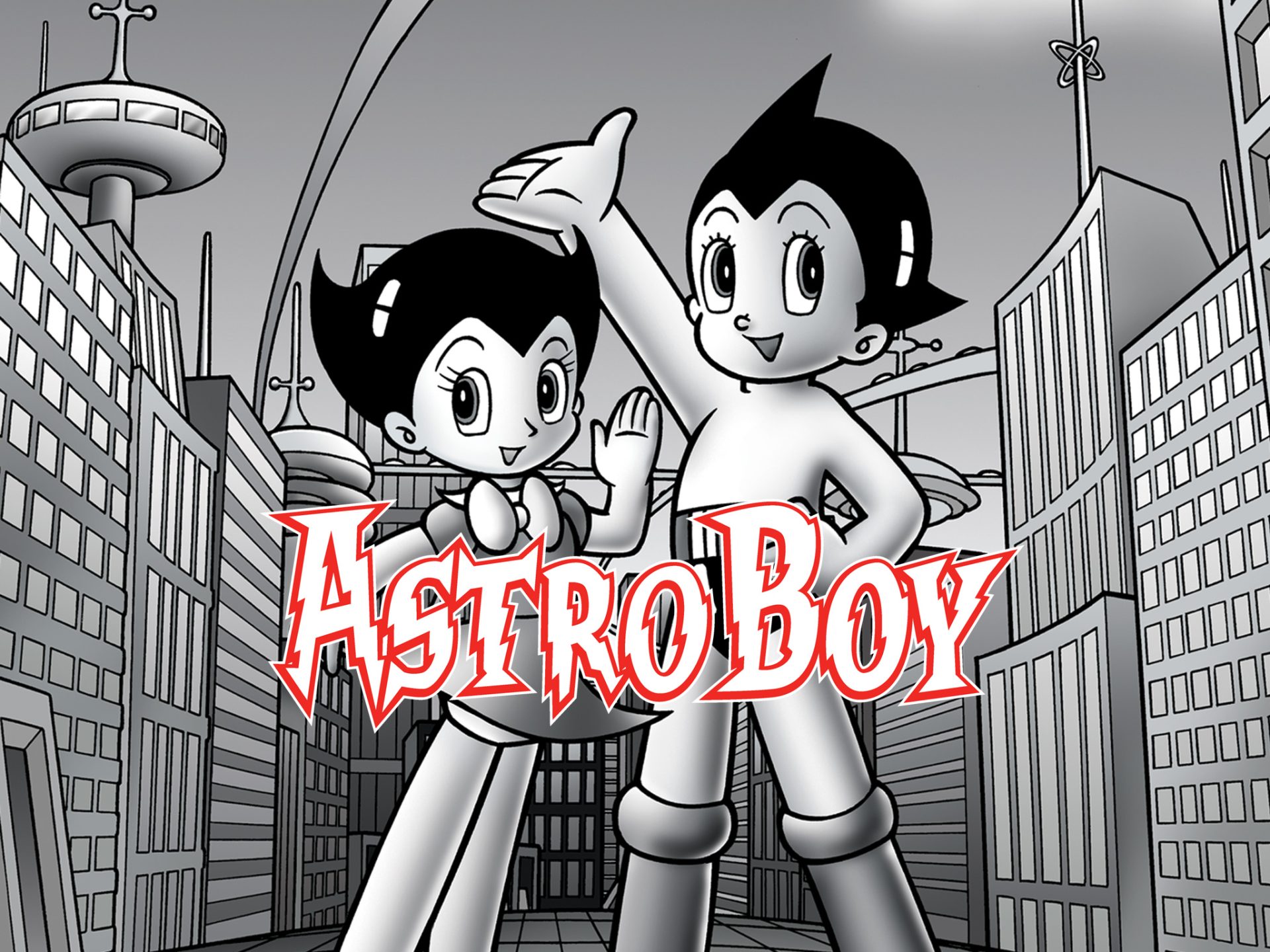
The seeds of mecha anime were planted in the 1950s and 60s with pioneering works such as Osamu Tezuka’s Astro Boy and Mitsuteru Yokoyama’s Tetsujin 28-go. Astro Boy (1963) introduced audiences to robot-centered storytelling with its blend of heroism and science fiction, effectively setting a visual and thematic foundation for mecha narratives to come. Meanwhile, Tetsujin 28-go (1963 anime adaptation), often credited as the first true mecha series, presented the concept of a giant robot controlled remotely, captivating audiences with its mechanical grandeur.
These earliest stories were generally straightforward, emphasizing the clear divide between good and evil through heroic deeds and robotic action. Their simplistic narratives and iconic designs laid the groundwork for the genre’s expansion.
2. The Rise of the Super Robot Era
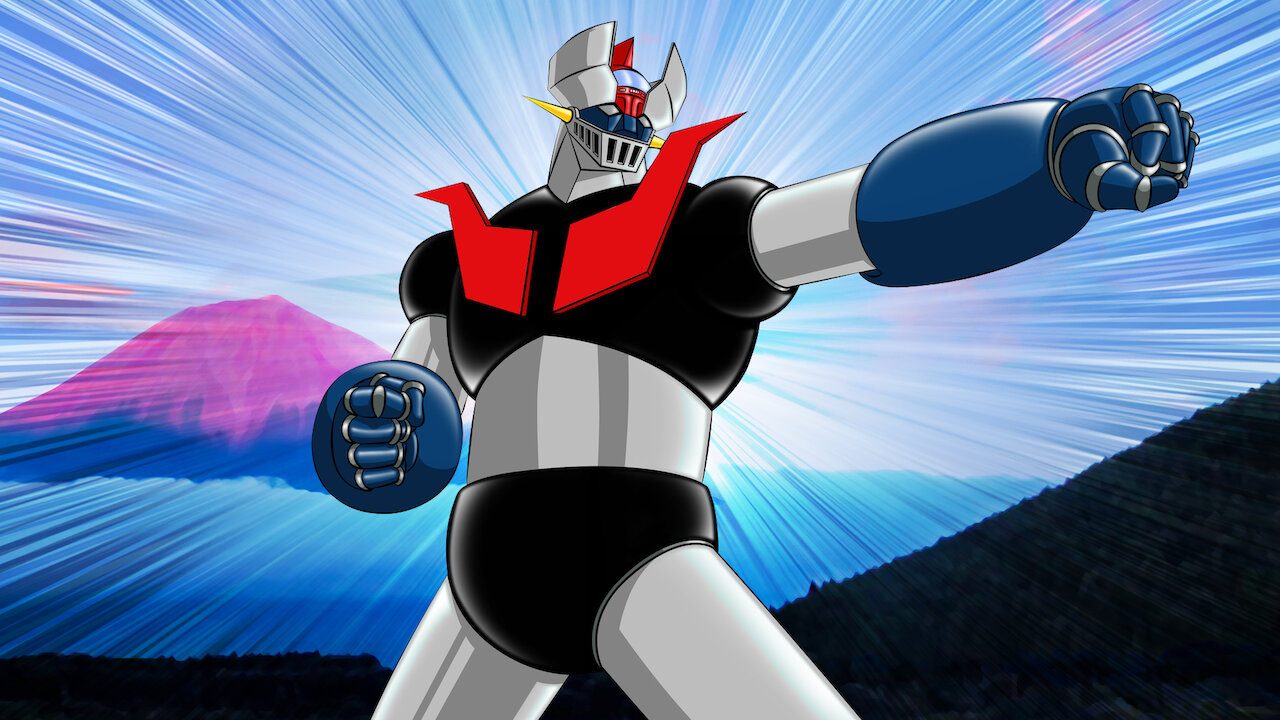
The 1970s witnessed the explosion of the “Super Robot” genre, with Mazinger Z (1972) marking a pivotal moment. Created by Go Nagai, Mazinger Z popularized the concept of a pilot seated inside the robot, directly controlling its movements — a design that would become synonymous with mecha anime.
This era celebrated spectacle, featuring robots with incredible powers battling monstrous adversaries. The stories centered on heroism and were often accompanied by toy lines, making these shows not only entertainment but also merchandising phenomena. The aesthetic was bold, colorful, and iconic, cementing the genre’s place in Japanese pop culture.
3. Gundam and the Real Robot Revolution
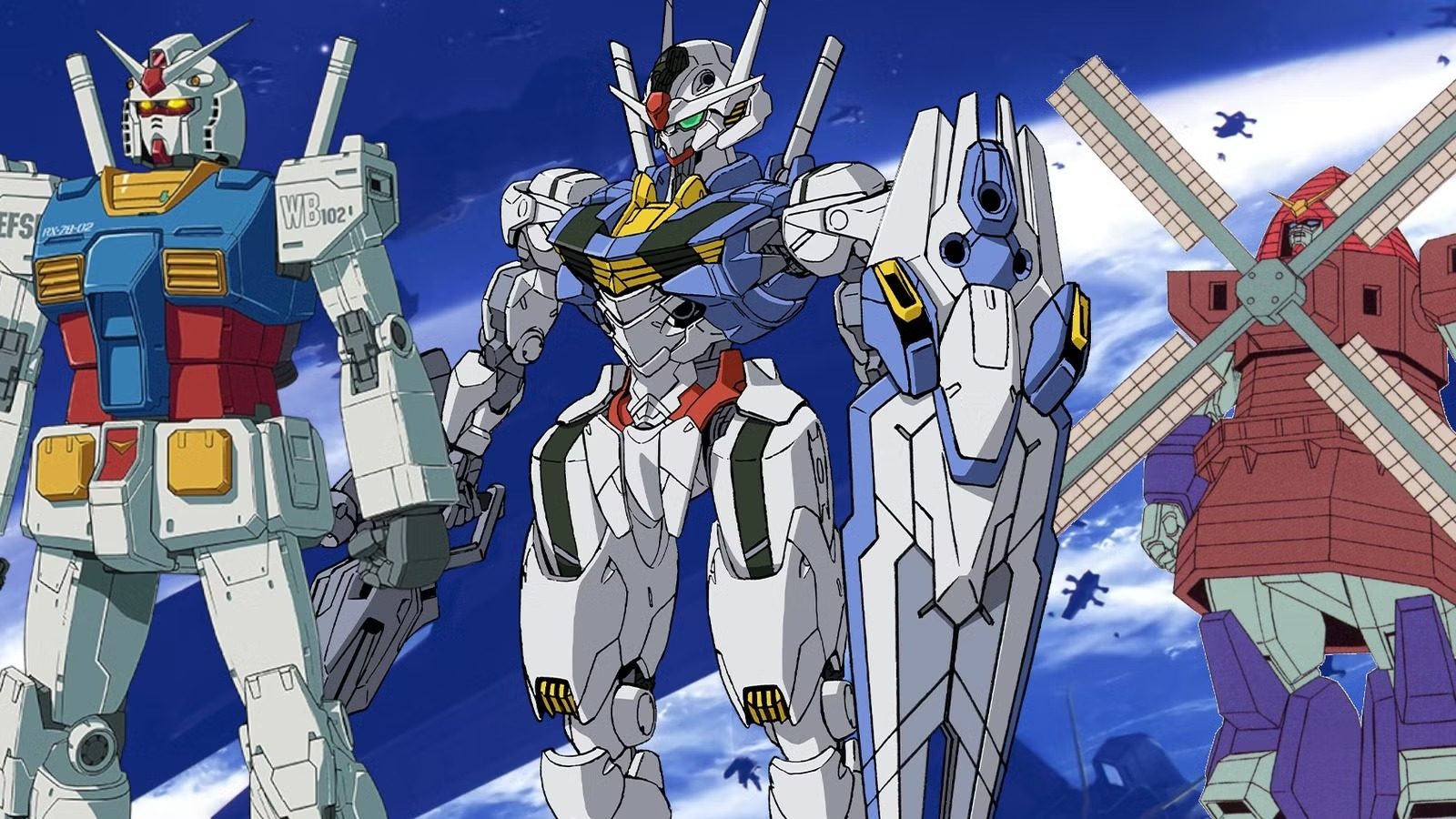
A major turning point arrived in 1979 with Mobile Suit Gundam, created by Yoshiyuki Tomino. Diverging from the invincible heroes and fantastical machines of the Super Robot genre, Gundam introduced the “Real Robot” approach — portraying mecha as plausible military hardware in complex war settings.
Gundam brought maturity to the genre with realistic machines, grounded political narratives, and morally ambiguous characters. The focus shifted to human conflict, the horrors of war, and the psychological toll on pilots, resonating with older audiences and expanding the genre’s appeal.
This redefinition influenced countless series thereafter, elevating mecha anime into a nuanced and respected storytelling medium.
4. Expansion and Experimentation After Gundam
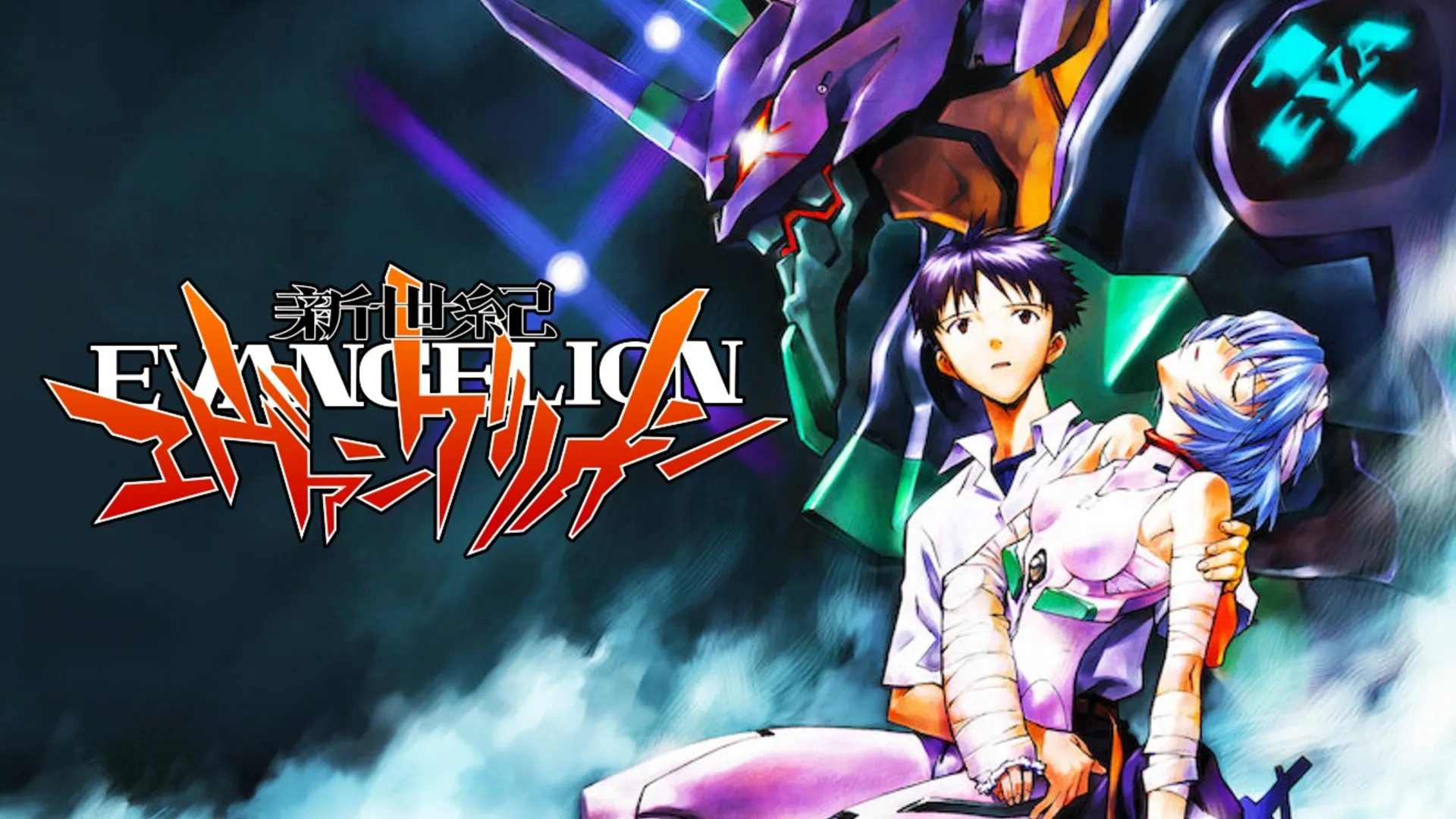
In the years post-Gundam, mecha anime continued to diversify. Series like Neon Genesis Evangelion (1995) pushed boundaries further by integrating psychological depth, complex characters, and existential themes. This dark, introspective approach challenged traditional giant-robot formulas and explored human vulnerability.
Other works expanded into political intrigue, technological ethics, and sci-fi world-building, showcasing the genre’s flexibility beyond action and spectacle.
5. Cultural Impact and Legacy
Today, mecha anime remains one of the most iconic and influential genres in Japanese animation. From Astro Boy’s early robot heroics to Gundam’s epic sagas and beyond, these stories have inspired generations globally.
The genre’s impact extends to pop culture, with expansive merchandising, model kits, video games, and conventions dedicated to mecha fandom. Gundam, in particular, stands as a cultural landmark, consistently renewing its relevance through new series and technological innovation.
Its evolution reflects broader changes in anime storytelling, mirroring shifts in society’s values and technological fascination.
If you’re fascinated by how anime shapes style and culture, consider how your own space reflects your passions. Whether refreshing your style or seeking anime fan accessories, there’s always a way to connect your interests to your everyday environment.
Explore anime and pop culture stories or check out our anime fan accessories.
About EzCustomCar
EzCustomCar was created for drivers who want their vehicle to feel like their own. From daily commutes to weekend road trips, we design accessories that add personality, comfort, and meaning to the space people return to every day.